
On September 18th, Prof. Yi Hongliang and his research team, from the State Key Laboratory of Rolling and Automation of Northeastern University, released the new high-toughness aluminum-silicon coating technology at the 2019 China Automotive Lightweight Conference. The team proposed a new theory of high carbon brittleness between the aluminum-silicon coating and the steel matrix interface, and achieved a breakthrough from “0 to 1” in the field of strengthening and toughening of automotive steel aluminum-silicon coating.
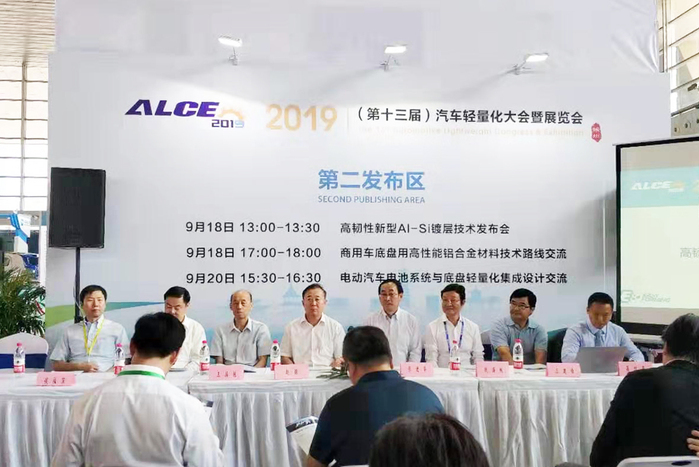
Yucaitang (Suzhou) Materials Technology Co., Ltd., a venture enterprise incubated by Northeastern University transformed this theory into interface carbon reduction and toughening technology, and successfully produced high toughness aluminum-silicon coating hot stamping steel products in batch industrial trial production through China Maanshan Iron and Steel Co., Ltd (Ma Steel) and Anshan ThyssenKrupp (Chongqing) Auto Steel Co., Ltd. This new material has the same strength with existing materials but achieves a 20-30% improvement in toughness, boosting the safety of automotive parts.
Compared with existing technology, the new technology is novel and creative in many dimensions, has obtained the authorization of the Chinese invention patent, and is expected to reduce the sales price and cost of steel parts. The technology attracted the attention of the GM (North America) materials team ever since it was first developed. In May, GM officially requested Ma Steel to prepare complete technical data for the new steel certification.
In the GMW14400, the new global material standard for general-purpose vehicles announced in June this year, high-toughness aluminum-silicon-coated hot-stamped steel was added for the first time, and a technical requirement of 20% improvement in toughness was proposed. With the goal of promoting product application, Yucaitang, Ma Steel and General Motors have formed a joint technical team to carry out multi-wheel hot stamping verification on the mass production hot stamping line of Dongfeng (Wuhan) Industrial Co. Ltd. Experiments have shown that the collision performance of parts made of new steel has improved up to 28%, the risk of delayed cracking has been greatly reduced, and the coating performance is in line with the GMW14400 standard. At present, many domestic and foreign automobile manufacturers are continuously tracking and evaluating the interface carbon reduction and toughening technology.
Energy saving and safety improvement are two important directions for the development of the automotive industry. The application of ultra-high-strength steel is the most cost-effective solution that can balance both. Compared with the traditional cold stamping forming technology, the hot stamping forming technology can overcome the technical defects such as severe rebound of the steel plate, low strength, difficulty in forming, and low production efficiency, thus becoming the mainstream solution for the ultra-high-strength steel for the white body of automobiles.
Conventional uncoated hot stamped steel could cause decarburization and scale formation on the surface of the steel sheet during heating. The iron oxide scale is easy to fall off in the mold, which would increase the friction coefficient of the steel plate and the abrasive tool, and reduce the service life of the mold. Regular cleaning of the iron oxide scale in the mold would seriously reduce the production efficiency. In order to meet the subsequent processing requirements of the stamping part, it is necessary to remove the scale formed by the surface by shot peening. Shot peening not only causes an increase in cost, but also affects the dimensional accuracy of the parts.
In order to avoid oxidation and decarburization of hot stamped steel sheets and to provide high temperature resistance and corrosion resistance, Arcelor-Mittal Steel successfully developed aluminum silicon coating technology in 1999. This technology effectively avoids the problem of surface oxidation of uncoated hot stamped steel sheets. At the same time, it also has excellent performance in terms of abrasive protection, dimensional accuracy and corrosion resistance of parts. Since then, the application of hot stamping forming steel in automobiles has been increasing year by year. With rapid growth, the global application of aluminum-silicon coated steel sheets has exceeded 3 million tons per year.
According to Prof. Yi Hongliang, “Althium-silicon coated automotive steel sheets have many advantages, but automotive companies have found that such steel sheets have an important defect in their use: insufficient toughness. Insufficient toughness will directly lead to failure and fracture of automotive crash safety parts, and delay the cracking parts, that is, the parts don’t crack after stamping, but will crack after welding assembly. If this bottleneck is broken, the safety of safety components such as automobile door anti-collision beam, bumper and B-pillar can be further strengthened.
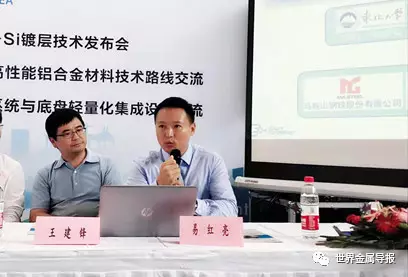
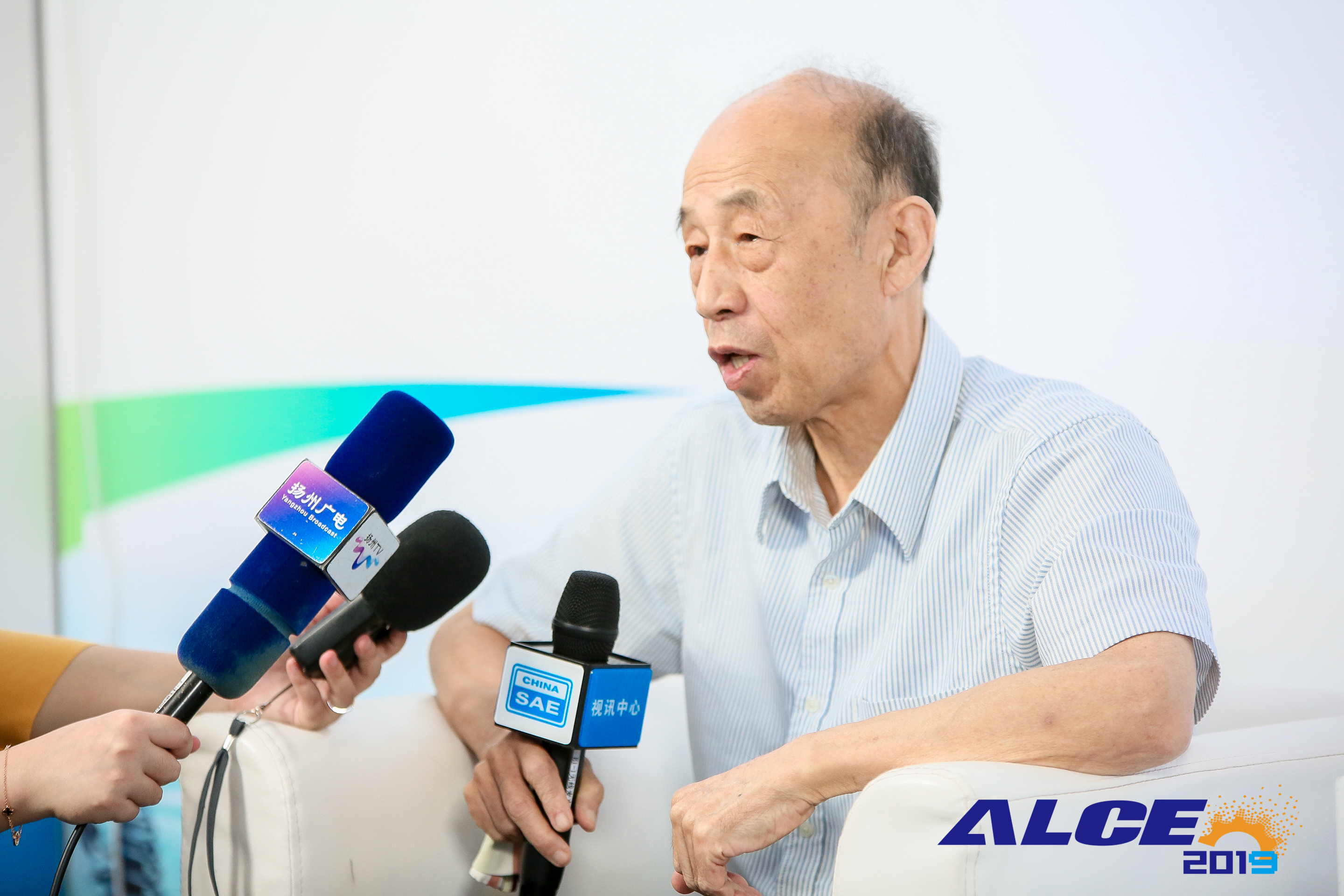
There must be causes for these defects and difficulty points in products. We are determined to find out the causes and then achieve targeted breakthrough, claimed Prof. Yi Hongliang. Wang Guodong, an academician of the Chinese Academy of Engineering, said that the team started from a theoretical breakthrough and discovered the physical mechanism of carbon-rich brittleness between the ultra-high-strength thermoforming automotive steel-aluminum-silicon coating and the steel matrix interface. It is the theoretical exploration from 0 to 1that has enabled the development of an interface carbon reduction and toughening technology that breaks through the toughness bottleneck of silicon-aluminum-plated hot stamped steel sheets. According to the design requirements of high-toughness hot stamping coating products by auto companies, the demand of hot stamping enterprises to reduce the risk of delayed cracking, and the demand of steel enterprises for independent intellectual property products, Yucaitang Company developed this breakthrough technology, based on the theoretical breakthrough of Northeastern University. The development process is a vivid case of enterprise-oriented, market-oriented, in-depth integration of production, study and research, and collaborative innovation.
It has been found that during the austenite heating process of the aluminum-silicon coated steel plate, plating alloying moves the interface to the direction of the 22MnB5 substrate, forming an alloyed layer and a high aluminum content δ-ferrite diffusion layer, neither of which contains carbon, resulting in a large amount of carbon enrichment near the 22MnB5 substrate and the interface of the diffusion layer. And high carbon martensite is formed during the subsequent cooling process. It is the extremely low toughness of this layer of high carbon martensite that significantly reduces the toughness of aluminum-silicon coated products.
Based on this theory, the team led by Prof. Yi Hongliang took many measures including “reducing the thickness of the coating” and “optimizing the heating process” without changing the composition of the coating and the alloy of the substrate, to reduce the alloying between the 22MnB5 substrate and the coating. Thereby they have reduced the thickness of the high carbon martensite layer, greatly improved the toughness of the aluminum silicon plating product, and achieved a significant increase in the bending fracture strain and a significant decrease in the risk of delayed cracking.
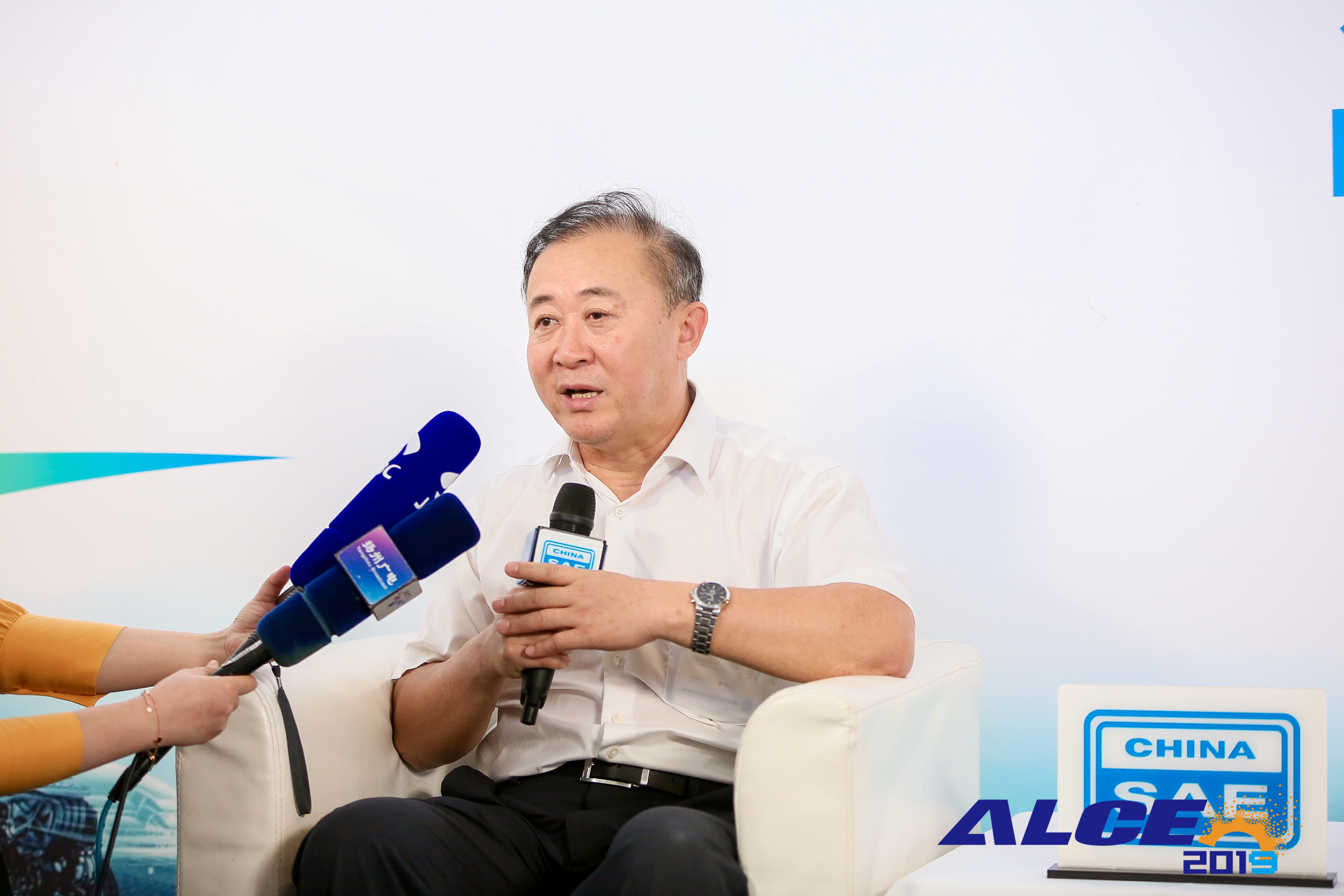
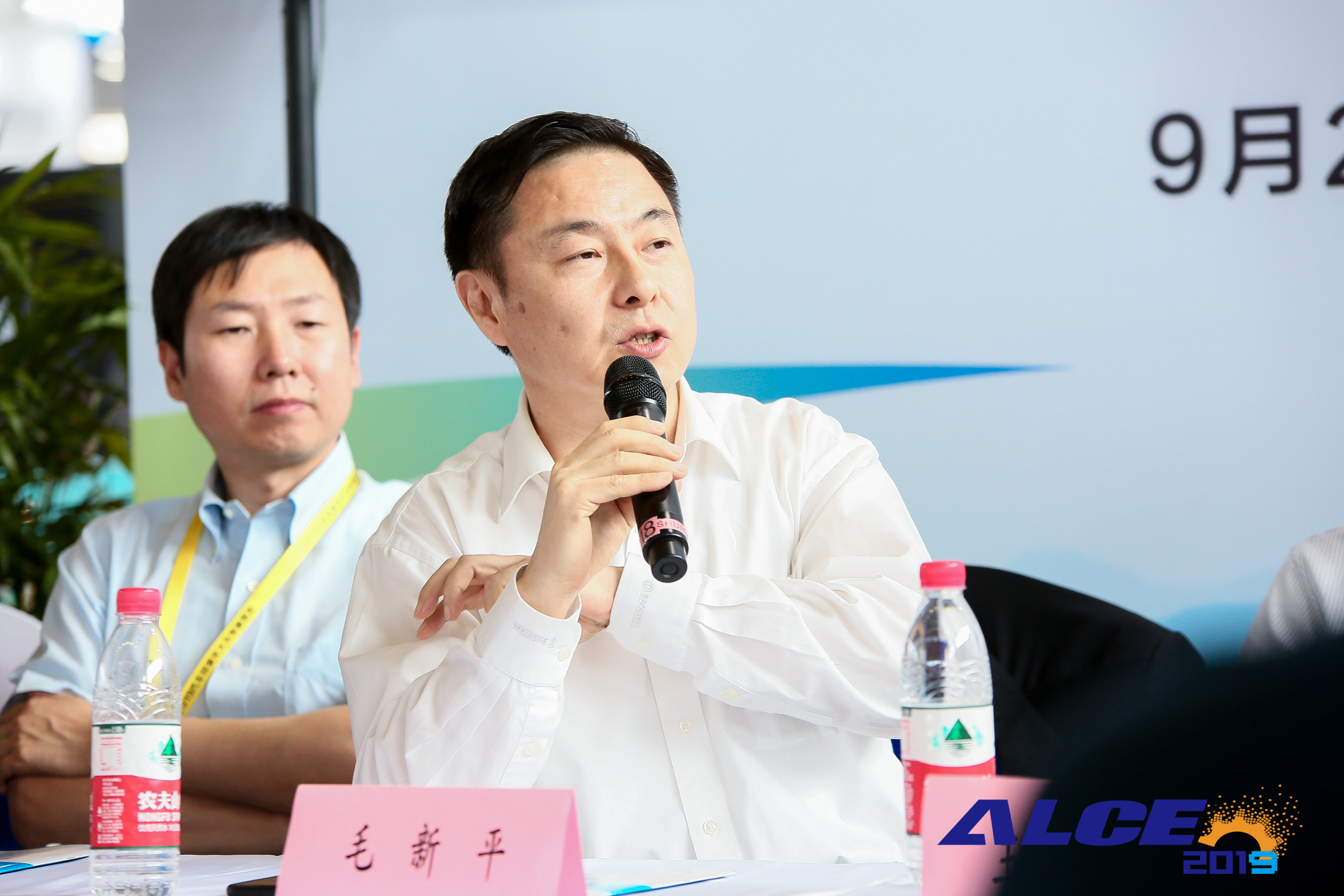
This technology originated from theoretical innovation and formed independent intellectual property rights. It not only has obtained Chinese invention patents authorization, but also is applying for international patents. The industrialization of this technology will play an important role in a global market exceeding 3 million tons (nearly 1 million tons in China), contribute to the lightweight development of China's automobiles, even the global automobile industry, said Mao Xinping, an academician of the Chinese Academy of Engineering.
This original innovation, which relies on scientific discoveries, has resulted in a new high-toughness ultra-high-strength steel-aluminum-silicon coating technology. This technology can be directly applied in the existing steel mill's aluminum-silicon plate production line. The thinning of coating can reduce the cost of ultra-high-strength automotive steel by about 60 Yuan per ton. The research team led by Prof. Yi Hongliang also proposed a hot stamping rapid heating process to increase heating efficiency by 10-20%. At the same time, the new high-toughness aluminum-silicon coating technology fully meets the requirements of automotive companies for coating adhesion, stone-resistance and corrosion resistance.
It is reported that the State Key Laboratory of Rolling and Automation(RAL) of Northeastern University actively cooperates with relevant well-known enterprises both home and abroad in the context of “Made in China 2025” and industrial technology upgrade, and has carried out a number of scientifically forward-looking and industrially applicable innovative projects. So far, RAL has achieved solid breakthroughs in technical breakthroughs, application research and industrialization of technology, and has effectively promoted the progress of key common technologies in China's steel industry.